
Ativan 2mg (Lorazepam): Uses, Side Effects, and Alternatives
| Medicine Name | Ativan – Lorazepam |
| Medicine Strength | 1 Mg, 2 Mg |
| Shipment Delivery | USA to USA 2-3 Days Delivery |
| Price | $1.55 per pills |
| Where to Buy? | Visit Pharmacy |
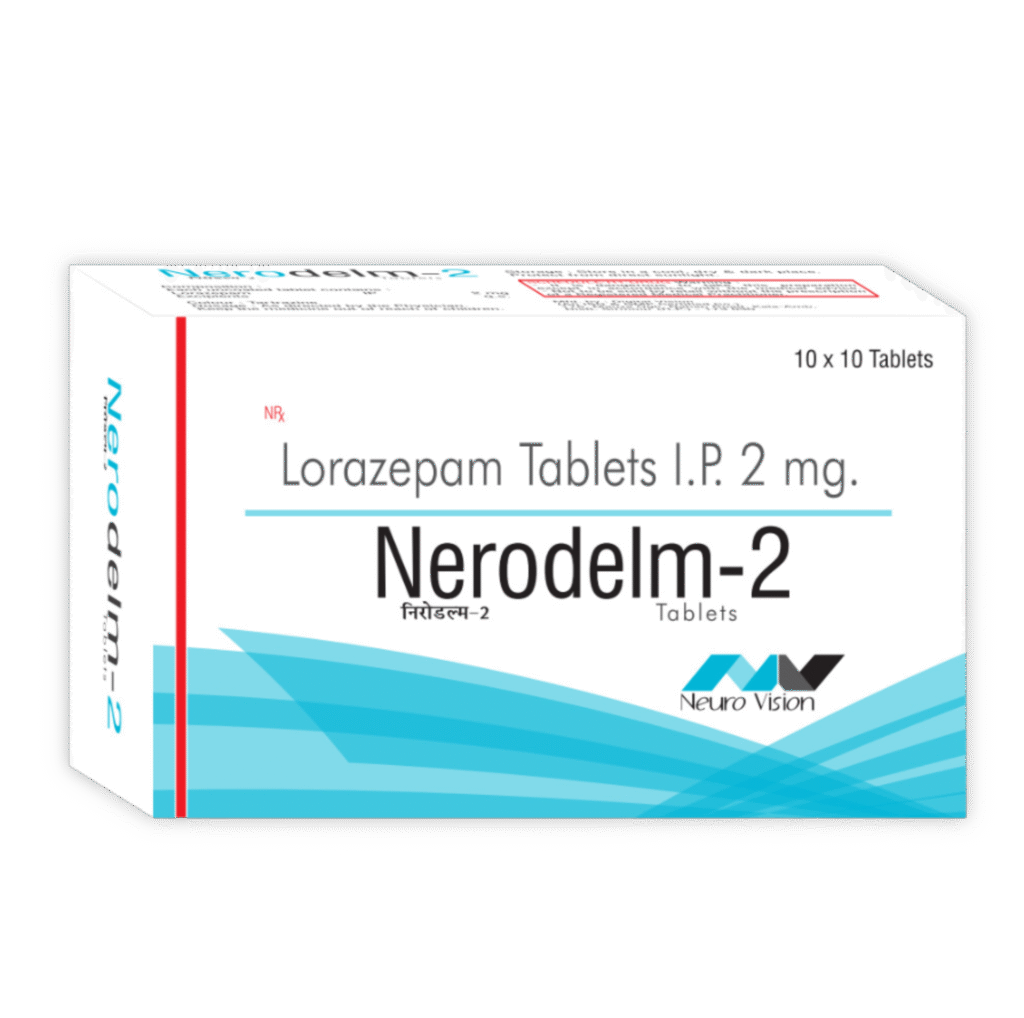
Ativan 2mg, known by its generic name lorazepam, is a prescription medication widely used for anxiety, insomnia, and related conditions. Doctors value it for its quick relief, while patients appreciate how it eases overwhelming stress and tension. Ativan belongs to the benzodiazepine class of medicines, which calm the brain and nervous system.
This guide explains what Ativan 2mg does, how it works, possible side effects, alternatives, and important safety information. The goal is simple: provide clear facts while also keeping the content accessible, helpful, and engaging for anyone considering or currently taking Ativan.
What Is Ativan 2mg?
Ativan is the brand name for lorazepam, and the 2mg dose is a standard strength often prescribed for moderate anxiety. It comes as a tablet, but injectable forms exist for hospital use.
Unlike some medications that take weeks to work, Ativan begins working within 20 to 30 minutes. This fast onset makes it a go-to option for sudden anxiety spikes, panic attacks, or short-term insomnia. However, because it acts quickly, it can also be habit-forming if taken for too long.
How Ativan Works in the Body
Ativan enhances the effect of gamma-aminobutyric acid (GABA), a chemical messenger in the brain that slows nerve activity. By boosting GABA, Ativan reduces anxiety, relaxes muscles, and promotes sleep.
Think of GABA as the brain’s natural brake pedal. In stressful moments, that brake can feel weak. Ativan strengthens the braking system, helping the mind settle down.
Common Uses of Ativan 2mg:
Doctors prescribe Ativan 2mg for:
- Anxiety disorders: Generalized anxiety disorder, panic attacks, or stress-related tension.
- Insomnia caused by anxiety: Trouble falling asleep due to racing thoughts.
- Seizures: Emergency management, often in hospital settings.
- Pre-surgery sedation: To calm nerves before procedures.
- Short-term stress relief: Situations where rapid calmness is essential.
For everyday anxiety management, doctors usually prefer long-term treatments like SSRIs. Ativan shines in acute moments when immediate relief is needed.
Dosage Guidelines:
The right dosage depends on the patient’s condition and health profile.
- Anxiety: 2mg to 3mg per day, often split into smaller doses.
- Insomnia: 2mg to 4mg taken once at bedtime.
- Hospital use: Higher or injectable doses under supervision.
Patients should follow the prescription carefully. Taking more than advised increases the risk of side effects, dependence, or overdose.
Side Effects of Ativan 2mg:
Most people tolerate Ativan well, but side effects can happen.
Mild side effects include:
- Drowsiness
- Dizziness
- Muscle weakness
- Fatigue
Serious side effects include:
- Confusion
- Memory problems
- Slow or shallow breathing
- Dependence and withdrawal symptoms
If a patient notices severe drowsiness, breathing problems, or allergic reactions, they should seek medical help right away.
Safety Warnings:
Ativan 2mg is not suitable for everyone.
- Pregnancy and breastfeeding: It can harm unborn or nursing babies.
- Elderly adults: Higher risk of falls and confusion.
- History of addiction: Greater chance of misuse or dependence.
- Liver and kidney issues: May slow the body’s ability to clear the drug.
Doctors often prescribe the lowest possible dose for the shortest period to minimize risks.
Dependence and Withdrawal:
Ativan is effective, but it can also be habit-forming. Prolonged use may lead to physical and psychological dependence. Stopping suddenly can cause withdrawal symptoms like:
- Anxiety rebound
- Tremors
- Sweating
- Irritability
- Seizures
Doctors usually recommend tapering the dose gradually rather than stopping all at once.
Interactions With Other Substances:
Ativan does not mix well with certain drugs and substances.
- Alcohol: Intensifies sedation and can be dangerous.
- Opioids: Increases risk of life-threatening breathing problems.
- Antihistamines and antidepressants: May cause extra drowsiness.
Always tell your doctor about any medications, supplements, or herbal products you take.
Alternatives to Ativan 2mg:
Not everyone can or should take Ativan. Fortunately, alternatives exist.
Other Benzodiazepines
- Xanax (Alprazolam): Fast-acting, often used for panic attacks.
- Valium (Diazepam): Longer-lasting, sometimes used for muscle spasms.
- Klonopin (Clonazepam): Effective for seizures and panic disorders.
Non-Benzodiazepine Options
- Buspirone: Treats anxiety without the risk of strong dependence.
- SSRIs (e.g., sertraline, fluoxetine): Long-term anxiety and depression treatment.
- SNRIs (e.g., venlafaxine): Another antidepressant class helpful for anxiety.
- Beta-blockers (e.g., propranolol): Helpful for performance anxiety and physical symptoms.
Lifestyle and Natural Approaches
- Cognitive Behavioral Therapy (CBT): Proven effective for long-term anxiety management.
- Relaxation practices: Yoga, meditation, and breathing exercises.
- Healthy habits: Regular exercise, consistent sleep, and reduced caffeine.
Brand Names and Generics:
Ativan is the best-known brand for lorazepam. However, generic lorazepam tablets are widely available and usually more affordable. Generics work the same way as brand-name Ativan when taken as prescribed.
Comparing Ativan With Alternatives:
Choosing between Ativan and alternatives depends on goals:
- Need fast relief? Ativan works within minutes, unlike SSRIs that take weeks.
- Worried about dependence? Buspirone or SSRIs may be safer.
- Looking for longer-lasting effects? Diazepam or clonazepam may last longer than Ativan.
- Want to avoid medication? Therapy and lifestyle changes can be highly effective.
Frequently Asked Questions:
Is Ativan 2mg addictive?
Yes. Dependence can develop, especially with long-term use.
Can I drink alcohol with Ativan?
No. Combining the two is dangerous.
How long does Ativan last?
Its calming effect lasts about six to eight hours.
Can I take Ativan every day?
Only under strict medical supervision, usually for short periods.
Is generic lorazepam the same as Ativan?
Yes. Generic lorazepam has the same active ingredient.
Patient Experience and Engagement:
Many patients describe Ativan as a “rescue medicine” for intense anxiety. For some, it feels like flipping a switch on overwhelming thoughts. Others say it helps them finally get restful sleep after days of insomnia.
However, patients also share concerns about dependence. Some find that the more often they take Ativan, the harder it becomes to manage without it. These stories highlight why medical guidance and follow-up care are essential.
Key Takeaways
- Ativan 2mg (lorazepam) is a benzodiazepine that works fast to relieve anxiety and stress.
- It should be used short-term due to risks of dependence and withdrawal.
- Safer long-term alternatives include SSRIs, SNRIs, buspirone, and therapy.
- Patients must avoid alcohol and opioids while using Ativan.
- Always follow medical advice closely and never adjust the dose on your own.
Final Thoughts:
Ativan 2mg is a powerful tool for managing anxiety and related conditions. Its fast relief can bring comfort in moments of overwhelming fear or stress. But with power comes responsibility: misuse can lead to dependence and health risks.
The best approach is balance. Ativan can be life-changing for short-term relief, while long-term strategies like therapy, lifestyle changes, and safer medications provide lasting stability. Patients should always discuss options openly with their healthcare provider to find the safest and most effective path forward.
Other Resources:
Tramadol – Ultram
Pregabalin – Lyrica
Tapentadol – Nucynta
Ambien – Zolpidem
Klonopin – Clonazepam