
Valium 10mg (Diazepam): A Comprehensive Guide to Uses, Benefits, and Alternatives
| Medicine Name | Valium – Diazepam |
| Medicine Strength | 10 Mg, 5 Mg |
| Shipment Delivery | USA to USA 2-3 Days Delivery |
| Price | $1.55 per pills |
| Where to Buy? | Visit Pharmacy |
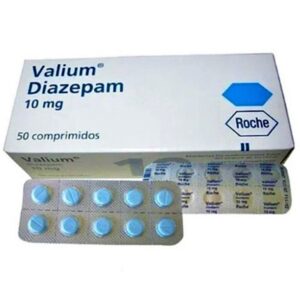
Valium 10mg (generic name Diazepam) is a trusted medication commonly used to manage anxiety, muscle spasms, seizures, and alcohol withdrawal symptoms. As a member of the benzodiazepine class, Valium acts on the brain to promote relaxation and reduce overactive nervous system signals. It’s often prescribed when immediate relief is needed for these conditions, making it an essential tool in both acute and ongoing treatments.
In this guide, we’ll explore everything you need to know about Valium 10mg: how it works, its common uses, dosage, side effects, and available alternatives. This content is written to be straightforward, clear, and easy to follow while still offering valuable insights for anyone considering or using Valium.
What is Valium 10mg?
Valium 10mg is a tablet containing Diazepam, a medication used to calm the central nervous system. Valium works by enhancing the activity of a neurotransmitter called GABA, which helps reduce excessive brain activity. This effect can relieve anxiety, relax muscles, prevent seizures, and ease symptoms of alcohol withdrawal.
Doctors prescribe Valium for a range of conditions, including:
- Anxiety: Reducing intense feelings of worry and fear.
- Muscle spasms: Easing discomfort caused by muscle injuries or disorders.
- Seizures: Used in combination with other drugs to manage seizures.
- Alcohol withdrawal: Controlling symptoms like agitation and tremors.
How Does Valium 10mg Work?
Valium 10mg works by boosting the effects of GABA, a calming neurotransmitter in the brain. When GABA activity increases, it helps slow down nerve signals, reducing anxiety and promoting relaxation. The calming effect starts quickly after taking Valium, making it especially useful for short-term relief from anxiety or muscle spasms.
Unlike some other medications, Valium has a longer duration of action, meaning it stays in the body for a longer period, which is why it’s commonly used for more continuous effects.
How to Take Valium 10mg?
The dosage of Valium 10mg depends on the condition being treated. Typically, the starting dose ranges between 2 to 10 mg, taken two to four times a day. Here’s a general guideline:
- For anxiety: 2 to 10 mg, two to four times daily.
- For muscle spasms: 2 to 10 mg, three to four times daily.
- For alcohol withdrawal: 10 mg every 6 hours during the first 24 hours, followed by a reduced dosage.
- For seizures: The dosage varies based on other medications in use.
Doctors often adjust the dose based on individual needs, so it’s important to follow their specific instructions. Valium should not be used for long periods due to the risk of dependence and tolerance.
Potential Side Effects of Valium 10mg:
Like all medications, Valium 10mg may cause side effects. Most of these are mild, but some can be more serious. It’s important to understand the possible risks before starting treatment.
Common side effects include:
- Drowsiness
- Fatigue
- Dizziness
- Muscle weakness
Serious side effects (less common) may include:
- Confusion or forgetfulness
- Depressed mood or changes in behavior
- Difficulty breathing
- Unusual tiredness or loss of energy
Warnings:
- Avoid alcohol while taking Valium, as it can increase sedation and cause dangerous interactions.
- Consult your doctor if you experience any severe side effects.
- Valium may cause dependence when taken for long periods, so it should only be used as prescribed.
Precautions Before Taking Valium:
Before taking Valium 10mg, tell your doctor if you have:
- Any liver problems, as Valium is processed in the liver.
- Breathing issues like asthma or chronic obstructive pulmonary disease (COPD).
- A history of substance abuse or addiction.
- Mental health conditions such as depression.
Pregnant women or breastfeeding mothers should avoid Valium, as it can harm the baby. Always consult your doctor for alternative medications if needed.
Brand Names and Availability:
The brand name Valium is the most widely recognized for Diazepam, but you can find generic versions of this medication, which are equally effective. Diazepam is available under several brand names worldwide, including:
- Valium
- Diastat (for seizure management)
- Diazemuls (injectable version)
In addition to these, various generic forms of Diazepam are available, offering patients more affordable options without compromising on effectiveness.
How Long Does Valium 10mg Last?
The effects of Valium 10mg typically last 4 to 6 hours. However, because of its long half-life, the drug remains in your system for a longer time than other benzodiazepines. This longer duration is what makes Valium particularly useful for ongoing anxiety or muscle tension.
However, this also means Valium can accumulate in the body if taken regularly, so it’s crucial to follow your doctor’s dosing instructions.
Dependence and Withdrawal:
Long-term use of Valium can lead to dependence. This means your body becomes used to the drug, and stopping it suddenly may lead to withdrawal symptoms such as:
- Anxiety rebound
- Insomnia
- Irritability
- Seizures (in severe cases)
To prevent withdrawal, it’s important to gradually reduce the dose under a doctor’s supervision if you no longer need the medication.
Alternatives to Valium 10mg:
While Valium is effective, there are several alternative medications that may work better for some patients. These alternatives include both other benzodiazepines and non-benzodiazepine medications.
Benzodiazepine Alternatives:
- Xanax (Alprazolam): Faster acting, but with a shorter duration than Valium.
- Ativan (Lorazepam): Often used for anxiety, with a shorter half-life.
- Klonopin (Clonazepam): A long-acting medication commonly used for seizures and panic disorder.
Non-Benzodiazepine Alternatives:
- Buspirone: An anti-anxiety medication with a lower risk of dependence.
- SSRIs (e.g., fluoxetine, sertraline): Antidepressants also effective for long-term anxiety.
- Beta-blockers (e.g., propranolol): Used for physical symptoms of anxiety like rapid heartbeat.
- Hydroxyzine: An antihistamine that helps reduce anxiety in the short term.
These alternatives provide options for patients who may be looking for a treatment plan with a different risk profile or longer-term solution.
Comparing Valium with Alternatives:
Valium vs. Xanax: Xanax works quickly but is short-acting, while Valium is longer-lasting and more gradual.
Valium vs. Ativan: Ativan is typically used for short-term anxiety relief, while Valium has a longer duration of effect.
Valium vs. Klonopin: Klonopin is often prescribed for long-term seizure control, while Valium is more commonly used for anxiety and alcohol withdrawal.
Valium vs. Buspirone: Buspirone is ideal for chronic anxiety and has a lower risk of dependence than Valium.
Conclusion:
Valium 10mg (Diazepam) remains one of the most trusted medications for anxiety, muscle spasms, seizures, and alcohol withdrawal. Its calming effects help many patients find immediate relief, but it should be used carefully due to its potential for dependence and side effects.
While Valium is effective for short-term needs, alternative medications like Xanax, Ativan, and Buspirone may offer more suitable options depending on the patient’s medical history and treatment goals. Always consult with a healthcare provider to find the best medication for your needs.
Other Resources:
Tramadol – Ultram
Pregabalin – Lyrica
Tapentadol – Nucynta
Ambien – Zolpidem
Klonopin – Clonazepam
Ativan – Lorazepam